


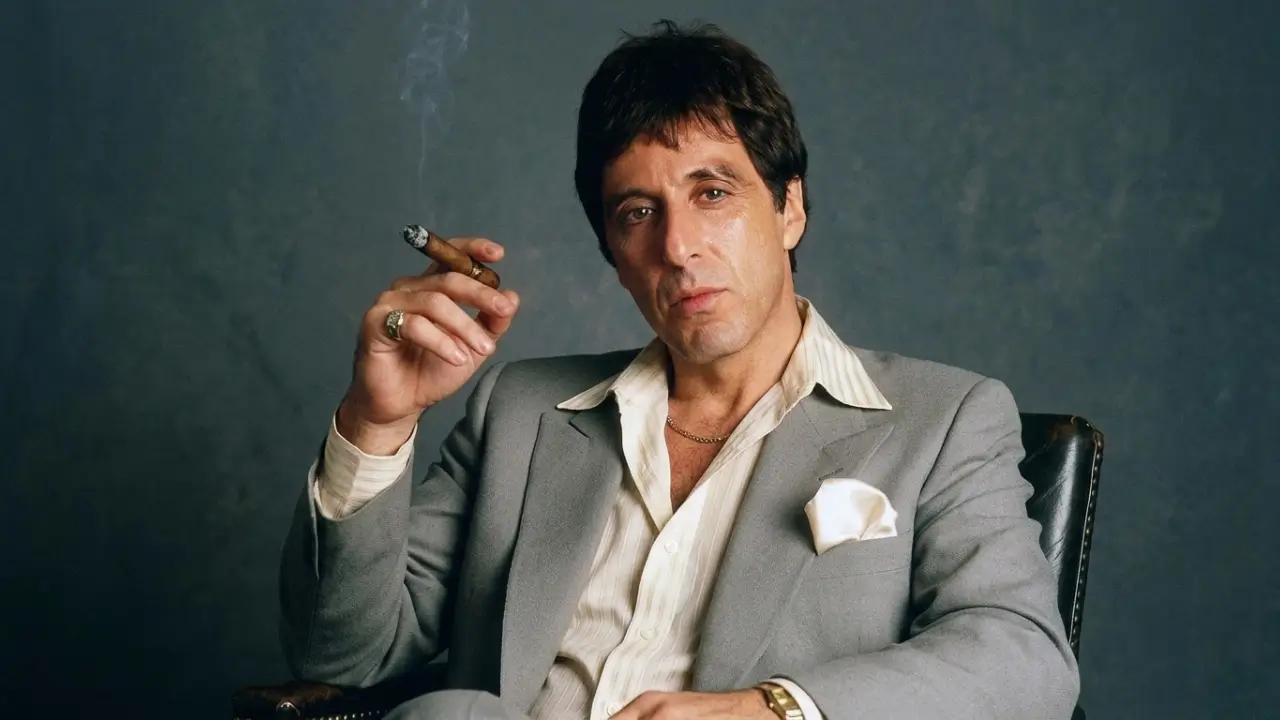
Al Pacino net worth is estimated at around $40 million, a figure that tells a far more dramatic story than most celebrity wealth profiles. It is not simply the balance of a legendary Hollywood career; it is the result of enormous earnings, reckless spending, financial mismanagement, and a late-career comeback that restored stability to one of cinema’s greatest actors.
Table of Contents
Al Pacino Net Worth Table
The table below presents an illustrative breakdown of Al Pacino net worth based on publicly reported estimates and the general composition of his wealth. Exact private asset values are not disclosed, so the figures should be viewed as reasonable estimates rather than audited accounting.
| Asset / Wealth Category | Estimated Value in USD |
|---|---|
| Real estate holdings, including California and New York properties | $15,000,000 |
| Cash, investments, and liquid reserves | $8,000,000 |
| Film salaries, deferred payments, and production income | $7,000,000 |
| Residuals, royalties, and licensing-related value | $4,000,000 |
| Television and streaming project earnings | $3,000,000 |
| Stage, seminar, and appearance-related income | $1,000,000 |
| Personal property, vehicles, memorabilia, and other assets | $2,000,000 |
| Estimated Total Net Worth | $40,000,000 |
Why Al Pacino Net Worth Matters
The story behind Al Pacino net worth matters because it challenges the assumption that fame automatically creates lasting wealth. Pacino has appeared in some of the most influential films ever made, including The Godfather, Scarface, Dog Day Afternoon, Serpico, and Scent of a Woman. Yet his financial life has been anything but predictable.
For decades, net worth al pacino discussions focused on his artistic legacy rather than his bank account. That changed when Pacino openly discussed money problems in his memoir, revealing that he once had about $50 million and later found himself with almost no accessible cash. He still owned property, but liquidity had disappeared. That distinction is crucial: a person can be asset-rich on paper while being cash-poor in daily life.
Al Pacino’s net worth is therefore not just a celebrity statistic. It is a case study in how income, spending, trust, and financial oversight interact. Even an actor with extraordinary earning power can face serious trouble if expenses rise faster than income and if the people managing the money are not accountable.
The Unusual Financial Journey
Pacino’s early career did not begin with blockbuster paychecks. For The Godfather in 1972, he reportedly earned only $35,000. At the time, the role transformed his career, but it did not immediately make him wealthy. His compensation increased substantially for The Godfather Part II, where he received $500,000 upfront and a share of the film’s gross after it reached profitability.
By the 1990s, Pacino had become one of Hollywood’s most bankable actors. He earned millions for films such as Carlito’s Way, Heat, The Devil’s Advocate, and Any Given Sunday. Later, his television work became especially lucrative. He reportedly received around $10 million for individual HBO projects, while his role in Martin Scorsese’s The Irishman brought a reported $20 million payday.
Despite those earnings, al pacino networth estimates remained lower than many people expected. The reason is that Pacino’s spending habits were extraordinary. He has described a period when his lifestyle cost as much as $400,000 per month. One of the most striking examples he shared was paying a landscaper $400,000 annually to maintain a property he did not even live in.
This is where the narrative becomes more than a story about luxury. Pacino’s financial collapse was not caused by one bad film or one failed investment. It came from a combination of high recurring costs, poor visibility into his accounts, and dependence on advisers who did not protect his interests.
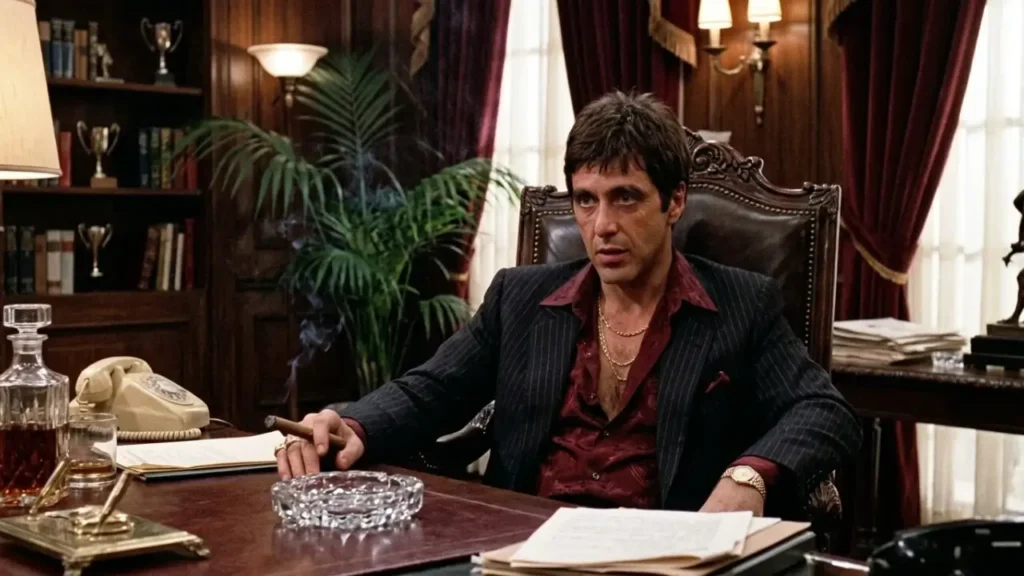
The Collapse Behind the Legend
The most important insight into Al Pacino net worth comes from his own account of what happened. He wrote that he had $50 million and then had nothing in practical terms. He still had real estate and valuable possessions, but he lacked the cash flow needed to manage his life comfortably.
His longtime financial adviser, Kenneth Starr, was later convicted in a federal fraud case and sentenced to prison. Pacino was among the wealthy clients whose finances were affected by mismanagement. The lesson is uncomfortable but valuable: wealth requires more than earning money. It requires systems, transparency, independent oversight, and the willingness to question people who handle your finances.
Pacino’s experience also shows how quickly a high-income lifestyle can become a financial trap. When someone earns millions, it can feel as though the money will never run out. But mansions, staff, travel, cars, legal costs, family obligations, taxes, and professional fees can consume income at an alarming rate. In Pacino’s case, the cost of maintaining an extravagant lifestyle became a major drain on his fortune.
How He Rebuilt His Wealth
What makes Al Pacino net worth compelling is not the loss itself, but the recovery. Pacino did not retire after his financial crisis. He kept working, and that decision became the foundation of his comeback.
He returned to major film roles, took on television projects, and continued stage work. His HBO films proved particularly valuable, delivering eight-figure paychecks at a time when he needed dependable income. The Irishman later confirmed that top directors and streaming-backed productions were still willing to pay a premium for his presence.
Pacino also found income through teaching and public seminars. He has explained that hosting acting seminars helped him get through a difficult period. That detail adds an important dimension to his story: his knowledge, reputation, and craft became financial assets, not just artistic ones.
In other words, Pacino rebuilt his finances by monetizing the one thing that could never be taken from him: his skill. His voice, screen presence, and decades of experience remained valuable even after his cash reserves had collapsed.
This estimate places Al Pacino net worth at approximately $40 million. Some outlets have published much higher figures, sometimes exceeding $100 million, but those estimates often include broad assumptions about royalties, property appreciation, and future income. The more conservative $40 million estimate better reflects the financial difficulties Pacino has described and the reality that gross career earnings are very different from retained net worth.
What His Assets Reveal
The asset structure behind net worth al pacino is revealing. Real estate appears to be the largest component of his wealth. Property can provide stability, privacy, and long-term value, but it can also create high carrying costs. Maintenance, property taxes, insurance, staff, and renovations can turn a valuable home into an expensive obligation.
Pacino’s experience illustrates this perfectly. A mansion may be worth millions, but if it requires enormous annual spending, it can reduce financial flexibility. This is why his real estate holdings are both an asset and a reminder of the lifestyle that contributed to his earlier troubles.
His film and television earnings remain central to his financial recovery. Unlike a one-time salary, later-career work can generate ongoing value through residuals, licensing, and renewed interest in classic films. Streaming platforms have also extended the commercial life of older movies, giving legendary performers new opportunities to benefit from their past work.
However, residuals should not be overstated. Many actors receive far less from streaming than they did from traditional television reruns or physical media sales. For Pacino, the more reliable financial engine has likely been his ability to command meaningful upfront compensation for selective projects.
The Difference Between Earnings and Net Worth
One of the biggest lessons in the Al Pacino net worth discussion is the difference between career earnings and actual wealth. Pacino has likely earned well over $100 million during his career when salaries, backend arrangements, television deals, and other income are considered. Yet his current estimated net worth is much lower.
That gap exists because earnings are only one side of the equation. Taxes, representation fees, legal costs, family support, lifestyle expenses, and financial mismanagement all reduce what remains. A person can earn $20 million for a film and still see much of that money disappear before it becomes lasting wealth.
This is why al pacino net worth is such a valuable financial lesson. It shows that income does not equal security. Wealth is what remains after the spending stops, the taxes are paid, and the people around you have been held accountable.
Future Implications for Pacino
At this stage of his life, Pacino’s financial future depends less on blockbuster salaries and more on selective work, asset management, and controlled spending. He remains one of the most recognizable actors in the world, which gives him options that most performers never have.
He can continue to appear in prestige films, streaming projects, documentaries, and limited series. His name alone adds cultural weight to a production. Even a supporting role can attract attention because audiences still associate him with Michael Corleone, Tony Montana, and some of the most intense performances in movie history.
His legacy also creates future opportunities. Retrospectives, interviews, restored releases, stage appearances, and licensing arrangements can generate income without requiring the physical demands of a major film production. As long as his estate and advisers manage his assets carefully, his financial position should remain stable.
The bigger question is whether Pacino will prioritize wealth preservation over new spending. His past suggests that he values experience, family, art, and freedom more than conventional financial discipline. But his recovery shows that he also understands the importance of working consistently and rebuilding when necessary.
A Legacy Larger Than Money
Al Pacino’s net worth may be estimated at $40 million, but his cultural value is vastly greater. He belongs to a small group of actors whose work changed the language of American cinema. His performances helped define an era of filmmaking, and his influence can be seen in generations of actors who studied his restraint, volatility, and emotional precision.
That legacy also has financial value. Classic films continue to find new audiences, and Pacino’s name remains commercially powerful. Yet the most important part of his story is not the number attached to his name. It is the fact that he survived a financial collapse without losing his identity as an artist.
Al Pacino net worth is ultimately a story about resilience. He earned enormous sums, lost control of much of his fortune, faced the consequences publicly, and then rebuilt through work. That makes his financial profile more interesting than that of many wealthier celebrities. His money reflects not only success, but survival.
For audiences, the lesson is clear: talent can create opportunity, but discipline protects it. For Hollywood, Pacino’s story is a reminder that even icons need sound financial structures. And for anyone interested in celebrity wealth, Al Pacino net worth proves that the most valuable asset an artist can possess is the ability to keep creating after everything else has been tested.

3 Comments
Pingback: Clint Eastwood Net Worth: $400M Empire - Celevo
Pingback: Burt Reynolds Net Worth: Career, Assets and Estate - Celevo
Pingback: James Caan Net Worth: Career, Assets & Legacy - Celevo