


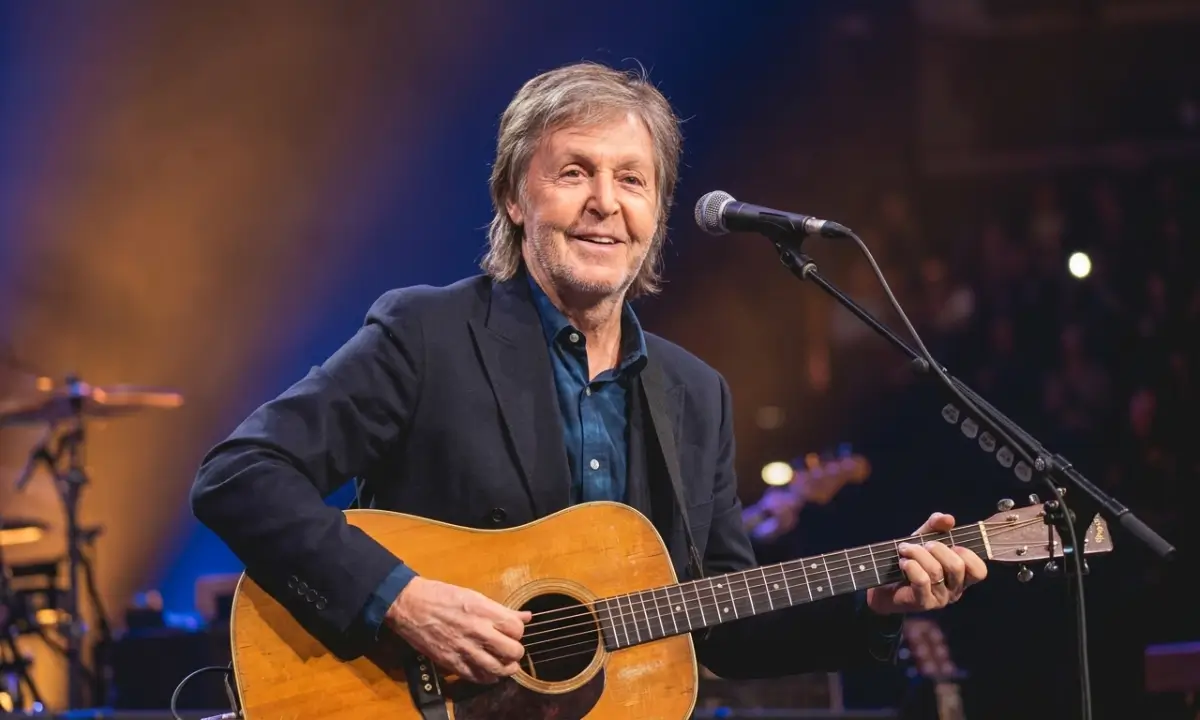
Paul McCartney’s wealth is often presented as a single headline figure, but the story behind it is more revealing: his fortune reflects decades of songwriting, publishing, touring and careful stewardship of creative assets. In 2026, estimates commonly place Paul McCartney net worth at around $1.2 billion, while a major UK rich list puts his combined wealth with wife Nancy Shevell at £1.055 billion—figures that use different methods and should not be treated as the same calculation.
Table of Contents
Net worth and estimated assets
There is no publicly audited personal balance sheet for McCartney. Celebrity-wealth estimates and rich-list valuations are approximations, and the latter may count household wealth rather than an individual’s assets. The table below is therefore an illustrative breakdown of the main asset categories—not a confirmed inventory or a set of independently verified valuations.
| Asset or income category | Estimated value in dollars | What it represents |
|---|---|---|
| Music publishing and songwriting interests | Not publicly disclosed | Royalties and rights-related income from compositions and publishing interests |
| Beatles, Wings and solo recordings | Not separately disclosed | Recording-related income, including sales, streaming and licensing |
| Touring and live performances | Not an asset valuation | A significant source of earnings; the Got Back Tour’s reported gross is not McCartney’s personal take-home income |
| Property and other private holdings | Not publicly disclosed | Real estate and other privately held assets whose values are difficult to confirm |
| Estimated overall wealth | Around $1.2 billion | A commonly reported third-party estimate, not an audited figure |
Some 2026 estimates put his individual wealth near $1.2 billion; the 2026 Sunday Times Rich List reports £1.055 billion for McCartney and Shevell together. The distinction matters: an estimate for one person and a combined household valuation are not directly comparable.
The fortune behind the headline
The most useful way to understand Paul McCartney net worth is not as a pile of cash, but as a collection of assets that can keep generating income. A concert pays once for a performance. A song can earn repeatedly when it is streamed, played on radio, licensed for a film or covered by another artist. The scale and durability of that second kind of income help explain why McCartney’s finances remain newsworthy long after the Beatles’ original run ended.
That does not mean every famous Beatles recording belongs to McCartney. Music rights are complicated: songwriting, publishing administration, recording ownership and performance royalties can be held or managed through different arrangements. McCartney earns from his extensive body of work, but it would be inaccurate to suggest he personally owns the entire Beatles catalog outright. His publishing company, MPL Communications, is among the business interests associated with his career, but specific private-company valuations are not publicly confirmed.
This is why “what is the net worth of Paul McCartney” has no definitive answer. A wealth list may estimate the value of assets and investments; a celebrity-wealth site may use a different set of assumptions. Private catalog rights, property and investments are not regularly priced like shares in a public company. Even a carefully researched estimate remains an estimate.
More than Beatles royalties
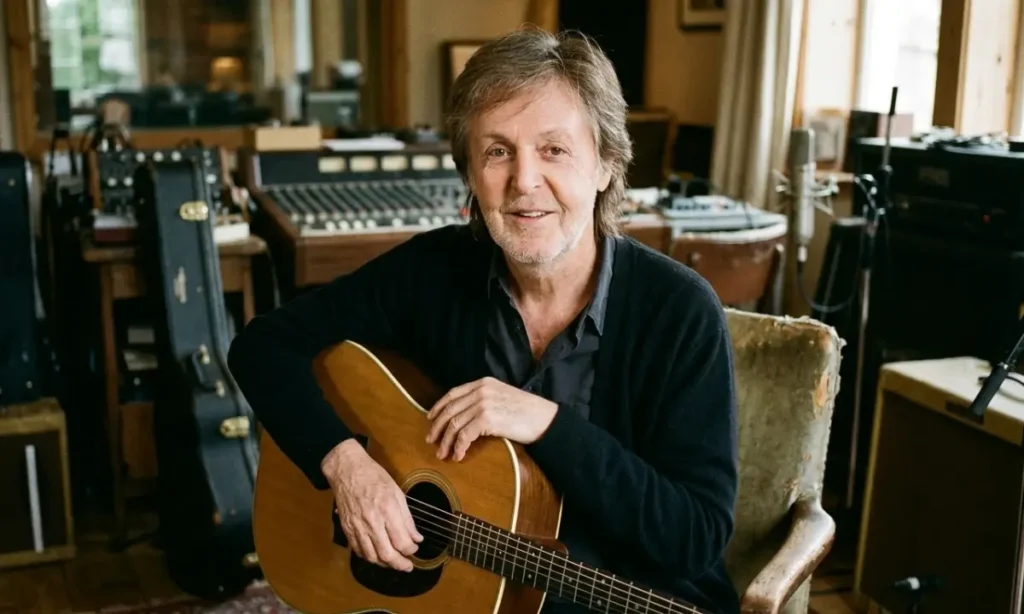
The Beatles gave McCartney global recognition and a deep catalog of songs, but the wider career matters too. After the band, he formed Wings, built a solo career and continued releasing music and performing live. Those chapters added new works, new audiences and new routes to earning. His financial position is better understood as the result of a long creative career than as a single windfall from one band or one deal.
Publishing can be especially important because it turns authorship into a long-lived economic interest. When songs endure across generations, their potential uses can extend well beyond their original release: a new recording, a film placement, a commercial license or a viral rediscovery can bring a familiar composition to a fresh audience. That is a structural advantage for a songwriter with a deep, widely recognized catalog—though actual revenue depends on rights, contracts and the terms of each use.
The same distinction applies to touring. McCartney’s Got Back Tour had grossed about $410.7 million and sold 2.4 million tickets through 2025. That is a measure of reported tour gross, not personal profit. Ticket revenue must support production, venues, travel, staff and other costs before an artist’s net income can be assessed.
Still, the tour’s scale demonstrates that his live appeal is not merely a relic of the past. For an artist with an extensive catalog, concerts also renew attention in older songs, bring different generations into the same audience and reinforce the commercial value of the music beyond the stage.
Why the wealth story matters
Paul McCartney net worth matters partly because it shows how the economics of popular music can reward long-term ownership and creative output. A performer’s earnings are often discussed as though fame alone explains wealth. McCartney’s case points to a more complicated formula: songwriting, rights management, sustained demand, live performance and decades of activity all contribute.
It also illustrates why online net-worth headlines need careful reading. A figure can be widely repeated without being audited. Rich-list estimates may combine spouses’ fortunes, while other publications attempt to isolate one individual. Currency conversions, private-company valuations and assumptions about future royalty income can shift the result. A number such as $1.2 billion is useful as a broad estimate, but not as a precise statement of cash on hand.
For readers asking about “paul mccartney net worth,” the key point is that the total is less certain than the reasons behind it. His publicly known career includes several durable sources of earning power. The underlying value comes from a catalog and public profile that continue to find audiences—not from a single, easily measured asset.
The same caution applies to searches using “paul.mccartney net worth” or the misspelling “paul mcartney net worth.” Different search results may offer conflicting totals because they are not all measuring the same thing. A responsible account should identify the figure as an estimate, state whether it appears to be personal or joint wealth, and avoid presenting a speculative asset-by-asset split as fact.
Current work and what may come next
McCartney’s continuing output is part of the financial picture. His 2026 releases include The Boys of Dungeon Lane. In October, he announced a special edition with additional recordings, with the expanded edition planned for digital release in October and vinyl in December.
This activity matters beyond sales from one album. New releases keep an artist in public conversation, bring listeners back to earlier work and create opportunities for performances, interviews, reissues and other projects. A fresh record can therefore support the wider career ecosystem, even when its direct financial contribution is impossible to separate from the rest of an artist’s business.
His 2026 activity also suggests that future touring remains under consideration, although details were not yet set. Any future tour could add to his earnings and extend the reach of his catalog, but age, health, logistics and McCartney’s own choices will shape what happens.
His recent activity also suggests that legacy management does not have to mean stepping away from creative work. New recordings, reissues and storytelling projects can introduce the history behind familiar songs while giving existing listeners something new. For a catalog-based business, that ongoing cultural presence may matter as much as any one release.
A fortune built to endure
Paul McCartney net worth is best understood as a broad estimate of accumulated wealth, not a verified account balance. Public estimates place him around the $1.2 billion mark, while the 2026 UK rich-list figure of £1.055 billion covers him and Nancy Shevell together. Both figures underline his exceptional financial position, but neither makes every asset or ownership share public.
The more distinctive story is how McCartney’s fortune has been tied to creative work that remains useful and wanted. Songs can outlast tours, generations and formats; live performances can renew interest in those songs; and new work can keep an established artist relevant. That cycle—not a single record sale or concert gross—is the clearest explanation for why his wealth continues to attract attention.

1 Comment
Pingback: Burt Reynolds Net Worth: Career, Assets and Estate - Celevo